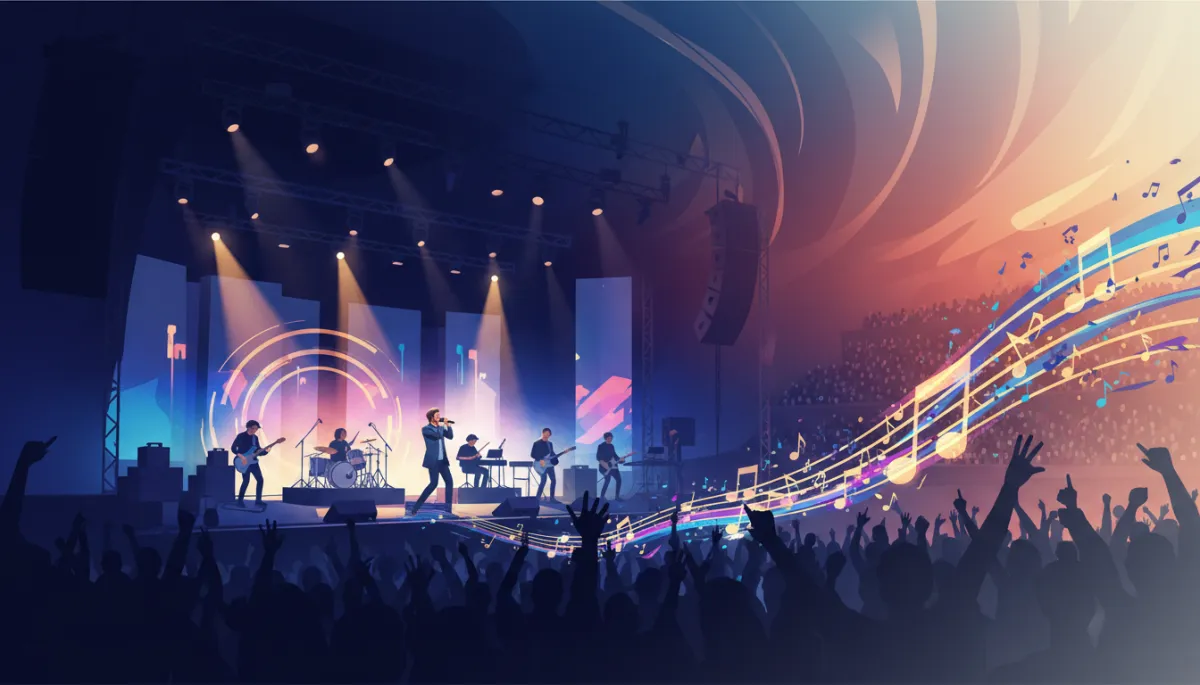
Music: The Heartbeat of Every Entertaining Show
Entertainment, Live Performances, Show Production
Why Music Is the Beating Heart of Every Entertaining Show
For professional entertainers and show producers, few elements shape the success of Entertainment Shows as powerfully as music. From intimate Live Performances to large-scale productions, music is more than background sound; it is a strategic tool that drives Audience Engagement, emotional connection, and overall Musical Impact. Understanding Music Importance at a production level can be the difference between a show that feels forgettable and one that audiences talk about for years.
Why Music Matters: More Than Just Background Noise
Ask any experienced entertainer to describe their most memorable Entertainment Shows, and you will quickly notice a pattern: each moment is anchored by sound. Music is the invisible architecture that holds a performance together. It sets the emotional tone, guides pacing, and shapes how audiences interpret what they see on stage or screen. When we talk about Music Importance in Live Performances, we are really talking about how sound transforms a sequence of actions into a cohesive, emotionally resonant experience.
Without thoughtfully chosen music, even the most impressive staging, lighting, and choreography can feel flat. With the right soundtrack, however, a simple entrance, a costume change, or a brief pause can suddenly feel dramatic, funny, or deeply moving. Music is the language that connects what entertainers are doing with how the audience feels in real time.
Music as a Strategic Tool for Audience Engagement
Audience Engagement is the currency of modern entertainment. Whether you are producing a magic act, a dance show, a comedy night, or a variety performance, your goal is to keep viewers emotionally present and responsive. Music is one of the most reliable tools for achieving this. Rhythms invite physical responses like clapping, tapping, and dancing. Melodies trigger memories and associations. Harmonies create tension and release that mirror the narrative arc of your show.
Consider how a slow build in volume and tempo can pull the audience to the edge of their seats before a big reveal, or how a sudden drop to silence can make a punchline land harder. This is Musical Impact in action: sound shaping the audience’s emotional journey. For entertainers, learning to design these musical moments intentionally is as critical as mastering stage presence or choreography. You are not just playing songs; you are orchestrating reactions.
💡 Pro Tip: When planning Entertainment Shows, map emotional beats first, then select or compose music that amplifies each moment rather than choosing tracks at the last minute.
Shaping the Story: Music as Narrative Glue in Show Production
Every strong show tells a story, even if it is not a traditional scripted narrative. In Show Production, music functions as narrative glue, connecting scenes, acts, and transitions. A recurring musical theme can act as a signature for your brand of entertainment, instantly signaling to the audience that they are in your creative world. This is especially powerful for touring entertainers and recurring Live Performances that aim to build loyal followings.
Transitions are where Music Importance often becomes most obvious. A seamless shift from high-energy choreography to an intimate monologue is far more convincing when bridged by a carefully chosen piece of music. Instead of awkward pauses or rushed blackouts, you get fluid movement that keeps the audience immersed. In this way, music supports not only the emotional flow of the show but also the practical rhythm of staging, set changes, and costume adjustments.
Elevating Live Performances: Timing, Precision, and Energy
Live Performances live or die on timing and energy. Music provides a built-in structure that entertainers can lock into, ensuring cues are hit with precision. Dancers rely on beats, magicians rely on musical swells to disguise sleights, and comedians use stings or walk-on tracks to frame their persona from the first step on stage. Even in seemingly spontaneous shows, music acts as an invisible metronome, keeping the performance tight and dynamic.
From a technical perspective, integrating music into Show Production also streamlines communication between performers and crew. Lighting operators and stage managers often use musical cues to trigger changes, making the entire production feel more cohesive. When everyone is listening to the same musical roadmap, coordination becomes smoother, and the result is a more polished, professional show that audiences instinctively recognize as high quality.
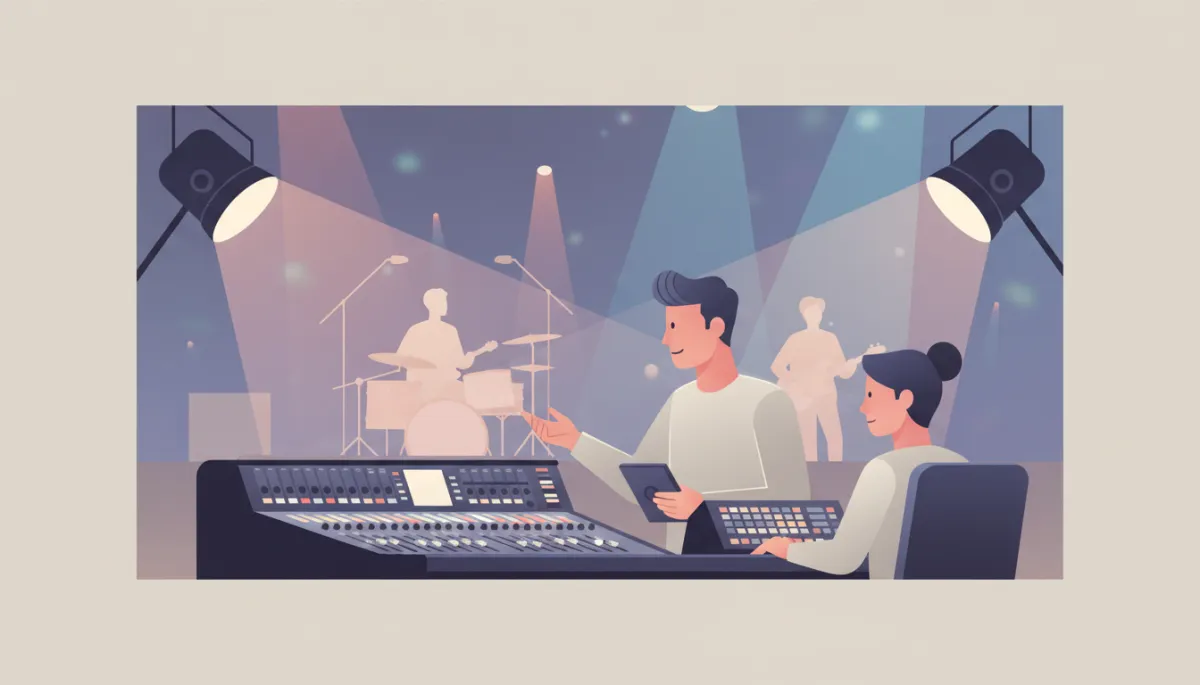
Tight musical cues help performers and crew deliver seamless, high-impact shows.
Crafting a Signature Experience: Branding Through Sound
For working entertainers, standing out in a crowded market is essential. Music can become a powerful part of your brand identity. Think of the opening track that always plays before you appear, the custom remix used for your finale, or the subtle sound design that runs beneath your storytelling segments. These recurring audio choices give your Entertainment Shows a recognizable personality and help audiences remember you long after the curtain falls.
This branding does not require huge budgets or original scores, although those can be valuable. It can be as simple as consistent motifs, a particular genre that reflects your style, or a carefully curated playlist that matches your persona. The key is intentionality. When you treat music as a core component of your brand rather than an afterthought, you increase both Musical Impact and perceived professionalism.
📌 Key Takeaway: If audiences can recognize your show from the first few notes, you have successfully woven Music Importance into your brand identity.
Practical Considerations: Integrating Music into Show Production
Understanding why music is important is only half the equation; the other half is integrating it effectively into Show Production. This begins at the planning stage. When outlining your next Entertainment Shows, build a “sound script” alongside your running order. For each segment, note the desired mood, tempo, and style of music. This allows you to select or commission tracks that serve specific purposes rather than forcing random songs to fit later.
Rehearsals should also treat music as a central pillar. Encourage entertainers to rehearse with the exact tracks and edits that will be used live, including intros, outros, and transitions. This not only increases confidence but also reveals where timing adjustments are needed. In Live Performances, small mismatches between movement and music can disrupt Audience Engagement, while perfect alignment creates that satisfying sense of inevitability audiences love.
Emotional Range: Using Music to Expand What Your Show Can Say
One of the greatest advantages of leveraging Music Importance in entertainment is the expanded emotional range it offers. A single show can move from playful to powerful, from suspenseful to celebratory, simply by shifting musical choices. For entertainers who want to take audiences on a deeper journey, music becomes the tool that allows you to explore complex moods without lengthy dialogue or exposition.
For example, a mentalist might use minimal, atmospheric soundscapes to create focus and tension, while a circus-style production might rely on bold, rhythmic scores to drive excitement. In both cases, Musical Impact is central: the sound tells the audience how to feel, even before the performers speak or move. When you design your show with this in mind, you gain far more control over the emotional trajectory of the evening.
The Entertainer’s Advantage: Confidence, Presence, and Flow
Finally, music does not just benefit the audience; it also supports the performers themselves. Many entertainers report feeling more confident and grounded when their performance is anchored by familiar tracks. Music provides a sense of flow, making it easier to recover from small mistakes, improvise within structure, and ride the energy of the room. In high-pressure Live Performances, that psychological support can be invaluable.
For producers, this means that thoughtful musical design is also an investment in performer wellbeing and consistency. When entertainers feel supported by the soundtrack around them, they deliver stronger, more relaxed performances. The result is a virtuous cycle: better performances drive stronger Audience Engagement, which in turn amplifies the overall Musical Impact of your Entertainment Shows.
Conclusion: Treat Music as a Co‑Star, Not a Prop
For today’s entertainers and show producers, the question is no longer whether music is important, but how intentionally you are using it. Music Importance touches every layer of Show Production: it shapes narrative, fuels Audience Engagement, supports timing, and strengthens brand identity. Most importantly, it turns isolated moments into a unified, unforgettable experience that defines truly great Entertainment Shows.
When you treat music as a creative partner—a co‑star in your Live Performances rather than a decorative prop—you unlock new levels of impact and professionalism. Plan your soundtrack as carefully as your staging. Rehearse with the exact tracks you will use. Listen for the emotional story your music is telling, and make sure it matches the story you want your audience to experience. Do this consistently, and you will not only elevate the Musical Impact of your shows, you will also build a reputation for delivering entertainment that feels polished, powerful, and impossible to ignore.